
Dental Bridge Procedure
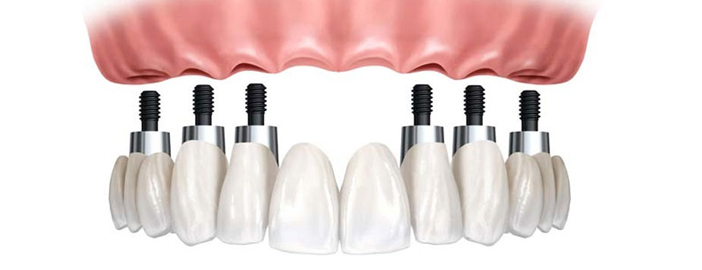
A fixed partial denture bridge, is also called a dental bridge procedure. Dental bridge procedure is a restoration procedure used to substitute for a patient’s missing tooth by creating a link, or a ‘bridge’ between the two remaining teeth that surround the gap. Gaps from missing teeth can cause the remaining teeth to shift into those empty spaces, which can result in a bad bite. Missing teeth imbalance can also lead to temporomandibular joint disorders and gum disease.
A bridge is created by first reducing the size of the teeth on both sides of the gap where the tooth is missing. Then a cover, or crown, is placed on those two teeth. These crowns are connected by a manufactured tooth that imitates the missing tooth. The dimensions of the bridge are defined by Ante’s Law, which states that the root surface area of the abutment teeth has to be identical or exceed that of the tooth or teeth being replaced. Thus, the abutment teeth are condensed in size to allow the material used to restore the size and shape of the original teeth in a correct alignment and contact with the opposing teeth.
The materials utilized for the bridges include porcelain combined with metal, porcelain, or gold. The type and amount of reduction to be done to the abutment teeth will vary according to the different materials being used. The patient must remember to clean under the bridge, and practice good oral hygiene.
Consultation
Dental bridges are a very good option to replace missing teeth. The dentist will provide the patient with options on different materials available to make the bridge. The material to be used will hinge on where the bridge will be placed in the mouth. Grinding and clenching of the teeth, a condition called bruxism will also be taken into consideration, as well as the patient’s dental insurance coverage. Dental bridges can be manufactured from metal, gold, or porcelain.
Planning of Treatment
X-rays and impressions of the patient’s mouth will be taken by the dentist. These will be used in planning the bridge restoration. The bridge could be three or more separate units depending on the patient’s needs. After the dentist prepares the abutment teeth for the bridge, additional impressions may be taken.
The Procedure
Once the dentist has examined the patient gums and teeth, and has concluded that the patient needs a dental bridge, the patient will receive a local anesthetic. This will make sure that the patient won’t feel any pain during the course of the treatment.
The dentist will make an impression of the patient’s mouth using impression material, which is a like a putty. The putty impression is then sent to a lab that will use the impression as a model to create the bridge that fits exactly on the teeth. The teeth that will support the bridge, which are on either side of the gap, are reduced in size using a dental drill. If any of the support teeth show signs of decay, the dentist will fix the decay, and then trim them down. To avoid future oral health problems like tooth decay, the restoration must be a good fit.
The dentist then fits a temporary bridge to protect the teeth and gums while the permanent prosthetic is being made by the lab. The impermanent bridge is created by the dentist during your first visit. The temporary bridge is held in place by temporary cement, is weaker than the final bridge and doesn’t’t look as well, but it will be removed at the next appointment.
Once the final, fixed bridge is ready, the dentist will fit it in place to make sure it fits correctly. The patient can see how it looks and feels before the dentist cements it to become permanent. The dentist will make a few minor adjustments to the dental bridge to ensure the bite is correct, and then the bridge is cemented into place.
Cost of the Procedure
The cost of the dental bridge will depend on the number of missing teeth, but are typically one of the more expensive treatments. However, this is overcome by high patient acceptance rates and satisfaction. A dentistry survey reported most patients who chose a dental bridge procedure said that the result justified the costs.
The Dental bridge procedure and the final prosthetic can cost anywhere from $400 to $1,000 per missing tooth. Several things also affect the cost: material, dental insurance, dentist/laboratory technician skill and other procedures that may be used, like fillings and root canals.
Life span of the Procedure
A dental bridge can last ten to twenty years with proper oral care, and regular check-ups. Each of these is important – the material used, quality of the dentist’s work, and daily maintenance and hygiene.
Advantages, Disadvantages & Risks
The advantages of a dental bridge are that it looks like and functions just like natural teeth because it is always in your mouth. Three disadvantages to dental bridges are:
1. The natural teeth during the procedure must be trimmed down so that the bridge can be attached.
2. T stress on natural teeth supporting the bridges can cause damage over the long term.
3. Cost is the third disadvantage as dental bridges are rather expensive compared to dentures.
The risks of dental bridges are that the supporting teeth can break, weaken, or cause tooth pulp death because of the extra load on these stress loaded teeth. The crowns that attach to these teeth can loosen if the crowns are not fitted properly or cemented well. This dental surgery could make your natural teeth vulnerable to decay. The dental bridge procedure is a wonderful option but care must be used during the process.





Leave a Comment